


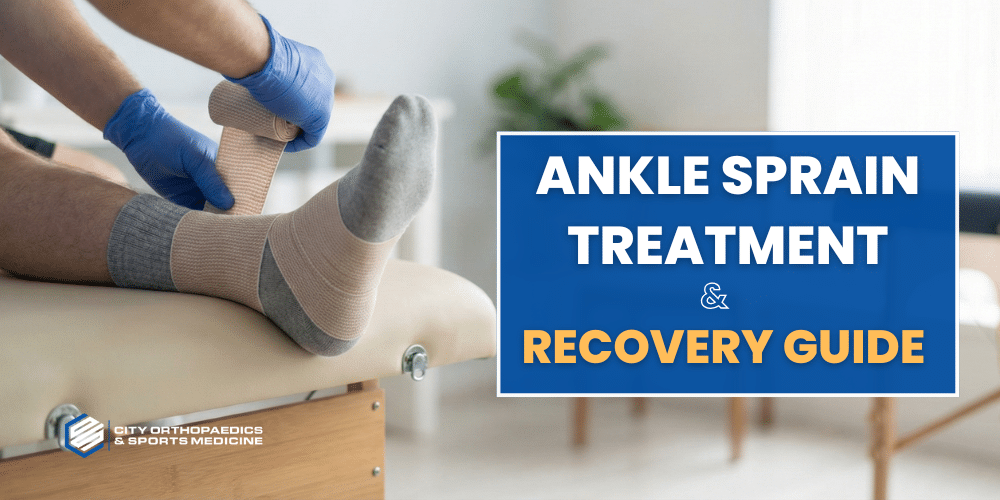
Ankle sprain treatment recovery is a top priority for anyone who has experienced that sudden, painful “roll” of the foot while running, playing sports, or even just walking on an uneven sidewalk. Are you worried that your ankle won’t ever feel stable again? Are you unsure if that swelling is a minor bruise or a serious ligament tear? These concerns are common, and getting the right answers early can make the difference between a quick bounce-back and a lifetime of chronic instability. At City Orthopaedics & Sports Medicine, Dr. Jason Hymowitz and our team are committed to providing excellent patient care with a philosophy shared across all staff levels from our front desk to our board-certified physicians.
Our practice specializes in the diagnosis, treatment, and management of orthopedic conditions and sports-related injuries across multiple body systems. We serve patients throughout New Jersey and New York, offering evidence-based medicine to guide every treatment decision. Whether you are a professional athlete or a weekend warrior, we provide a caring and supportive environment for you and your family.
Understanding Your Injury: Ankle Sprain Grades
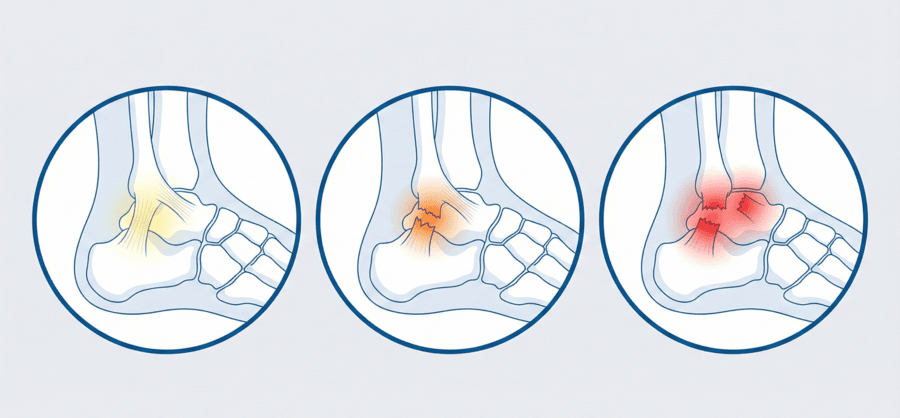
Not all sprains are created equal. To determine the best ankle sprain treatment recovery plan, we first need to identify the severity of the damage to your ligaments. We perform a comprehensive clinical and diagnostic assessment to categorize the injury into one of three grades:
- Grade 1 (Mild): Slight stretching and microscopic tearing of the ligament fibers. You’ll experience mild tenderness and swelling, but can usually bear weight.
- Grade 2 (Moderate): Partial tearing of the ligament. This involves moderate pain, swelling, and bruising. You may feel some ankle sprain grades of instability when trying to walk.
- Grade 3 (Severe): A complete tear of the ligament. This often results in significant swelling, intense pain, and a total loss of stability in the joint.
Our clinical approach involves listening to understand your concerns and goals before we provide a clear explanation of your condition and the available options.
When to See Doctor for an Ankle Injury
It can be tempting to wait out the pain, but knowing when to see doctor for a foot or ankle injury is crucial for preventing long-term dysfunction. You should schedule a professional evaluation if you experience any of the following:
- Inability to bear weight on the foot immediately after the injury.
- Significant swelling or bruising that does not improve after 48 hours.
- Persistent pain that prevents you from performing normal routine activities.
- A feeling of “giving way” or extreme instability in the joint.
- Numbness or tingling in the foot or toes.
We provide comprehensive second opinion services and a thorough review of outside medical records, including prior imaging like X-rays or MRIs, to ensure you have the most accurate diagnosis possible.
The Path to Healing: Stages of Recovery
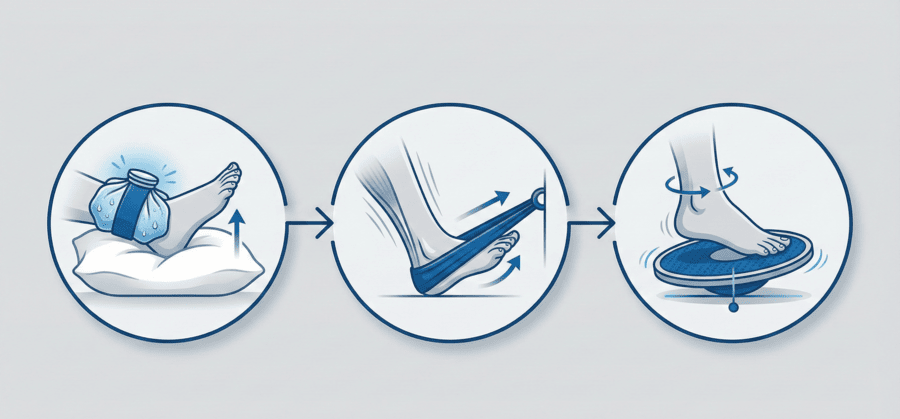
Effective ankle sprain treatment recovery typically follows a structured, goal-oriented protocol. We collaborate with you to create customized treatment plans that prioritize your long-term health.
- Phase 1: Protection and Pain Management
The immediate goal is to reduce inflammation. We often recommend the R.I.C.E. method (Rest, Ice, Compression, Elevation) along with activity modification. Our team provides clear written instructions to help you manage this phase at home. - Phase 2: Restoring Range of Motion and Strength
Once the initial pain subsides, physical therapy becomes essential. Physical therapy involves guided exercises designed to restore strength, flexibility, and function. We provide specific progression guidelines to ensure you don’t push too hard too soon. - Phase 3: Balance and Proprioception
This is the most overlooked part of recovery. We focus on “retraining” your ankle to sense its position in space, which is vital for preventing future injuries. We also provide injury prevention guidance to help you stay active for the long haul.
Expert Care in NJ
At City Orthopaedics & Sports Medicine, we strive to exceed patients’ expectations for comfort, convenience, and delivery of care. We maintain the highest standards by continually measuring and improving protocols and outcomes.
We offer four convenient service locations to serve our community:
- East Rutherford, NJ: Our primary hub for comprehensive orthopedic care.
- Paramus, NJ: Expert sports medicine services in Bergen County.
- West Orange, NJ: Serving patients throughout Essex County.
Advanced Treatment and Surgical Options
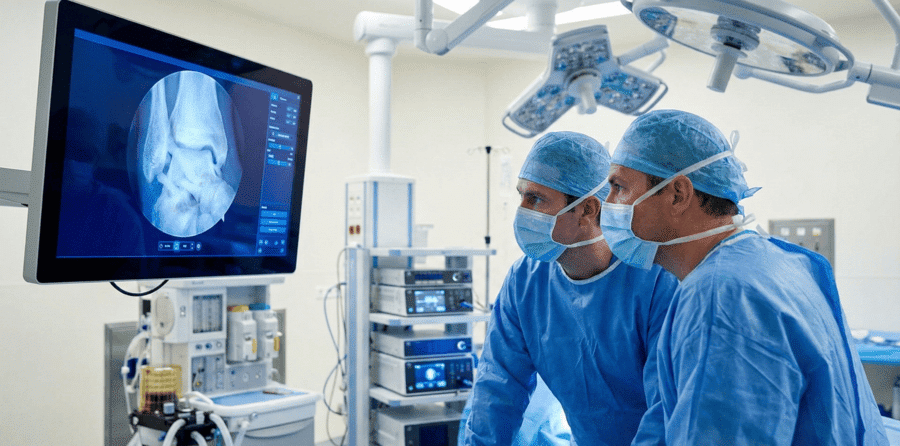
While most ankle sprains are managed with non-surgical treatment options, some Grade 3 injuries or chronic instability cases may require intervention. Surgical treatment is recommended only when your condition requires it for optimal outcomes or when conservative methods have failed. Our board-certified surgeons, including Dr. Jason Hymowitz, are known for exceptional surgical skills and a patient-centered care model.
Take the First Step Toward Recovery
Don’t let a “simple” sprain lead to chronic pain or limited mobility. Whether you need a diagnostic assessment, a physical therapy plan, or a second opinion on a complex injury, City Orthopaedics & Sports Medicine is here to help. We provide informed, objective medical opinions to get you back to the life you love.
Ready to heal properly? Book your appointment now
Frequently Asked Questions
How long does ankle sprain treatment recovery usually take?
Recovery time varies depending on the severity of the sprain. A mild Grade 1 sprain may heal in 1–3 weeks, while a severe Grade 3 sprain can take several months. We provide realistic timelines and guided recovery protocols tailored to your specific injury.
What happens if I don’t see a specialist for a severe sprain?
Ignoring a severe sprain can lead to chronic ankle instability, recurring injuries, and early-onset arthritis. Knowing when to see doctor for an evaluation helps ensure your ligaments heal correctly and regain their strength.
Are X-rays necessary for every ankle sprain?
Not every sprain requires an X-ray. We use professional clinical guidelines to determine if imaging is necessary based on your symptoms and ability to bear weight. If you already have imaging from another facility, we can perform a thorough review of those records.
Do you offer physical therapy on-site?
While we focus on the orthopedic diagnosis and surgical/non-surgical management, we provide detailed physical therapy instructions and work closely with therapists to ensure your rehabilitation follows our evidence-based protocols.
Can an old ankle injury be treated?
Yes. Many patients come to us for chronic instability or pain from old injuries. We treat a wide range of orthopedic problems, including degenerative conditions that stem from past trauma, and can offer both surgical and non-surgical solutions.
What insurance plans do you accept for ankle treatments?
We work with most major insurance carriers. We recommend calling our office at any of our NJ or NY locations to verify your specific coverage and schedule your comprehensive evaluation.