

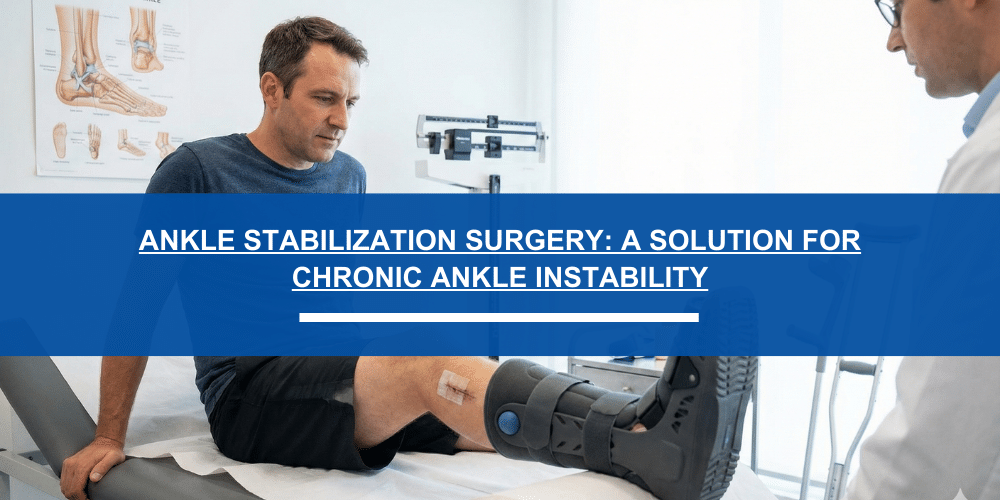
Ankle sprains are one of the most common injuries in sports and daily life. While most heal with rest and rehabilitation, some sprains leave behind weakened ligaments that fail to support the joint. This can lead to chronic ankle instability, repeated sprains, and long-term joint damage.
When conservative treatment doesn’t provide stability, ankle stabilization surgery may be the best solution.
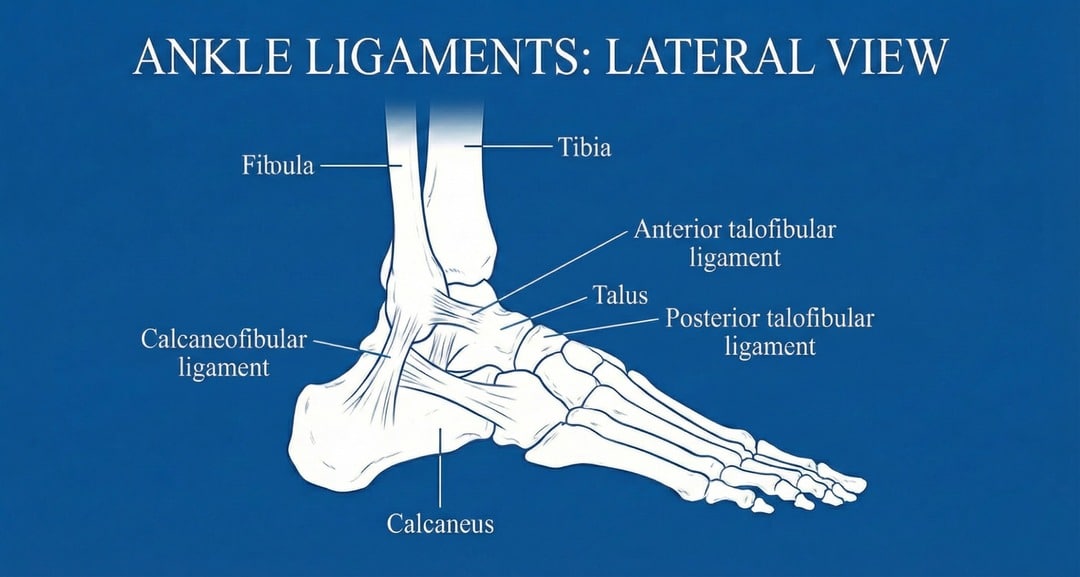
What Causes Chronic Ankle Instability?
Chronic instability often results from:
- Repeated ankle sprains
- Incomplete rehabilitation after an injury
- Ligament stretching or tearing
- Poor balance or weak surrounding muscles
- Genetic ligament laxity
Over time, instability affects not just the ligaments but also the cartilage and surrounding structures.
Symptoms of Chronic Ankle Instability
Patients often experience:
- The ankle “giving out” repeatedly
- Swelling after activity
- Difficulty walking on uneven surfaces
- Persistent pain
- Reduced athletic performance
Ignoring these symptoms can increase the risk of developing arthritis later in life.
What Is Ankle Stabilization Surgery?
Ankle stabilization surgery repairs or reconstructs the ligaments that support the ankle. The two most common techniques include:
1. Brostrom Procedure
- Tightens stretched ligaments directly
- Reinforces weakened tissue
- Often used for athletes with good tissue quality
2. Ligament Reconstruction
- Uses tendon grafts when ligaments are severely damaged
- Provides strong, long-lasting stability
- Ideal for revision surgeries or severe laxity
Why Surgery Helps
Surgical stabilization offers key benefits, including:
- Improved ankle strength
- Enhanced balance and proprioception
- Decreased risk of future sprains
- Protection against long-term cartilage damage
- Ability to return to sports and an active lifestyle
Recovery Process
Recovery is gradual and structured to ensure long-term success:
- Phase 1: Immobilization in a boot to allow healing.
- Phase 2: Physical therapy to restore mobility and range of motion.
- Phase 3: Strength and balance training.
- Phase 4: Return to sports (typically 3–6 months depending on progress).
Most patients regain reliable stability and confidence in their ankle after surgery.
How City Orthopaedics & Sports Medicine Can Help
Chronic ankle instability requires expert care to prevent long-term joint damage. The team at City Orthopaedics & Sports Medicine is dedicated to restoring your mobility. We utilize advanced diagnostic imaging and state-of-the-art ligament stabilization techniques tailored to athletes and active individuals.
From the initial diagnosis through surgery and rehabilitation, our goal is to restore your stability so you can return to the sports and activities you love without fear of re-injury. Don’t let a weak ankle hold you back—schedule an appointment with our specialists today.
Frequently Asked Questions (FAQs)
1. How do I know if I need ankle stabilization surgery?
If you experience frequent sprains, your ankle constantly “gives way,” or physical therapy hasn’t improved your stability after several months, you may be a candidate for surgery.
2. How long does the surgery take?
The procedure typically takes between 1 to 2 hours, depending on whether it is a direct repair (Broström) or a reconstruction using grafts.
3. Can I walk after ankle stabilization surgery?
You will likely be in a non-weight-bearing cast or boot for the first 2 to 4 weeks. Gradual weight-bearing begins afterwards under the guidance of your surgeon.
4. Will I be able to run and play sports again?
Yes. The primary goal of this surgery is to restore stability so you can return to sports. Most athletes return to full activity within 3 to 6 months.
5. Is ankle stabilization surgery painful?
Post-surgical pain is generally managed well with medication for the first few days. Keeping the leg elevated effectively reduces swelling and pain.