

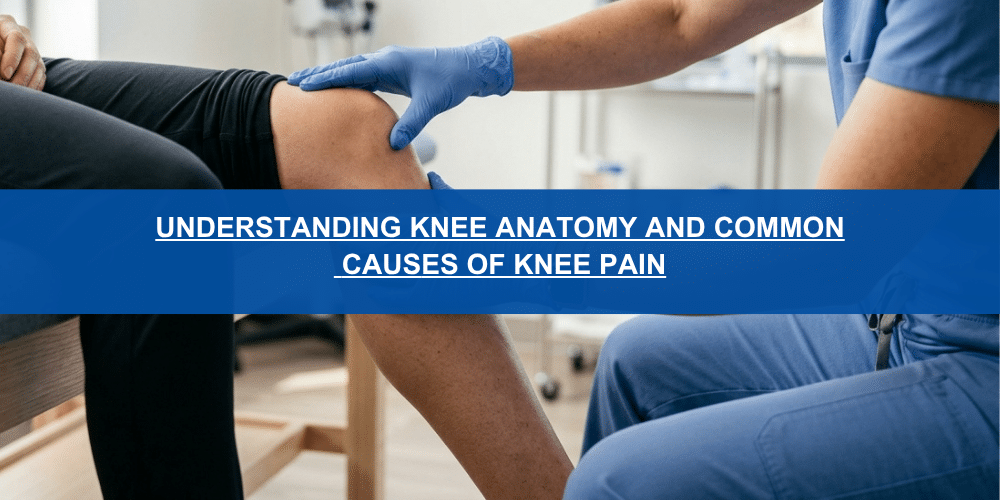
The knee is a complex and crucial joint that is central to our daily movements. Composed of bones, ligaments, tendons, and cartilage, the knee enables walking, running, and jumping. Understanding the intricate anatomy of the knee can shed light on the various factors that contribute to knee pain.
Anatomy of the Knee
The knee is a hinge joint connecting the thigh bone (femur) to the shinbone (tibia). The smaller bone adjacent to the tibia, called the fibula, provides additional support. The patella, or kneecap, rests in the front of the joint and aids in knee extension.
Ligaments
Crucial for stability, the knee has four primary ligaments:
- Anterior Cruciate Ligament (ACL): Prevents the shinbone from sliding forward relative to the thigh bone.
- Posterior Cruciate Ligament (PCL): Limits backward movement of the shinbone.
- Medial Collateral Ligament (MCL): Provides stability on the inner side of the knee.
- Lateral Collateral Ligament (LCL): Stabilizes the outer side of the knee.
Meniscus
Two wedge-shaped pieces of cartilage, known as menisci, act as shock absorbers between the femur and tibia. These structures cushion the joint, distribute weight, and enhance stability.
Tendons
Tendons connect muscles to bones, and the knee has several important ones, including the patellar tendon that connects the quadriceps muscle to the patella.
Common Causes of Knee Pain
Osteoarthritis
The breakdown of cartilage in the knee due to aging or wear-and-tear can lead to osteoarthritis. This condition causes pain, stiffness, and reduced joint flexibility.
Injuries
Traumatic injuries, such as ligament tears (especially the ACL), meniscus tears, or fractures, can result from sports, accidents, or falls, leading to acute knee pain.
Tendonitis
Inflammation of the tendons around the knee, commonly the patellar tendon, can cause pain, especially with movement or physical activity.
Bursitis
Bursae are small, fluid-filled sacs that cushion the knee joint. Inflammation of these sacs, known as bursitis, can cause localized pain and swelling.
Overuse and Strain
Repetitive activities, such as running or jumping, may cause overuse injuries, leading to conditions like patellofemoral pain syndrome or IT band syndrome.
Rheumatoid Arthritis
An autoimmune disorder, rheumatoid arthritis can affect the knee, leading to inflammation, pain, and joint damage.
Conclusion
Understanding the intricate anatomy of the knee and the potential causes of pain is crucial for maintaining knee health. Whether caused by injury, arthritis, or overuse, knee pain should be evaluated by a Top Knee Surgeon for an accurate diagnosis and appropriate treatment. Taking steps to strengthen the knee through targeted exercises, maintaining a healthy weight, and adopting proper biomechanics can contribute to overall knee well-being.
Frequently Asked Questions
1. What are the main parts of the knee joint?
The knee joint is made up of the femur (thigh bone), tibia (shinbone), fibula, and patella (kneecap), along with supporting ligaments, tendons, and the meniscus cartilage that work together to enable movement and stability.
2. What is the role of the meniscus in the knee?
The meniscus consists of two wedge-shaped pieces of cartilage that act as shock absorbers between the femur and tibia. They cushion the joint, help distribute body weight evenly, and contribute to overall knee stability.
3. What’s the difference between the ACL and PCL?
The ACL (Anterior Cruciate Ligament) prevents the shinbone from sliding too far forward relative to the thigh bone, while the PCL (Posterior Cruciate Ligament) limits backward movement of the shinbone. Both are essential for knee stability during movement.
4. What causes knee pain as we age?
Osteoarthritis is one of the most common age-related causes of knee pain. It occurs when cartilage in the knee gradually breaks down due to wear-and-tear, leading to stiffness, pain, and reduced flexibility over time.
5. Can overuse cause knee pain even without an injury?
Yes. Repetitive activities like running or jumping can lead to overuse injuries such as patellofemoral pain syndrome or IT band syndrome, even without a specific traumatic injury.
6. When should I see a doctor for knee pain?
If knee pain persists, worsens, or is accompanied by swelling, instability, or difficulty bearing weight, it’s important to consult an orthopedic specialist for an accurate diagnosis and appropriate treatment plan.