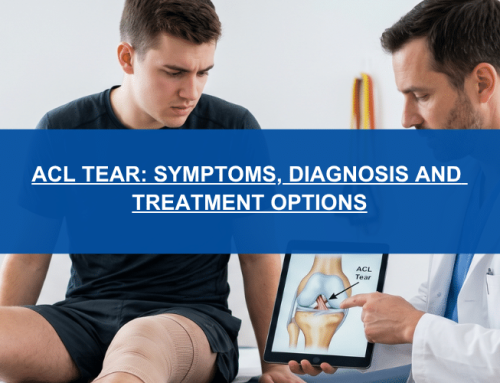



A meniscus tear is one of the most common knee injuries seen by orthopedic surgeons, and also one of the most misunderstood. Many patients assume surgery is automatic. Others wait too long hoping it will heal on its own. The truth sits firmly in the middle, and the right answer depends entirely on what type of tear you have, where it is located, and how it is affecting your life.
At City Orthopaedics Sports Medicine, Dr. Oladapo M. Babatunde, MD, FAAOS provides comprehensive meniscus tear treatment for patients across East Rutherford, Paramus, West Orange, NJ, and Manhattan, NY. This guide walks through everything you need to know, from recognizing symptoms to understanding every treatment option available.
What Is the Meniscus and Why Does It Tear?
Each knee contains two menisci, the medial meniscus on the inner side and the lateral meniscus on the outer side. These are C-shaped wedges of tough, rubbery cartilage that sit between the thigh bone and the shin bone. Together, they absorb shock during weight-bearing, distribute load evenly across the knee joint, and provide stability during movement.
Meniscus tears happen in two distinct ways. First, acute tears occur from a sudden twisting or pivoting motion under load, common in sports like soccer, basketball, football, and skiing. Second, degenerative tears develop gradually over time as the cartilage weakens and becomes more brittle, often without a specific injury event. Degenerative tears are particularly common in adults over 40 and frequently appear alongside early knee osteoarthritis.
Several factors increase the risk of tearing a meniscus, including:
- Participation in pivoting and contact sports at any age
- Increasing age, as cartilage loses resilience and flexibility over time
- Prior knee injuries, particularly ACL tears, which frequently involve a simultaneous meniscus injury
- Excess body weight placing greater load on the knee joint during daily activity
- Occupations or activities that involve repeated deep squatting or kneeling
Meniscus Tear Symptoms: What to Watch For
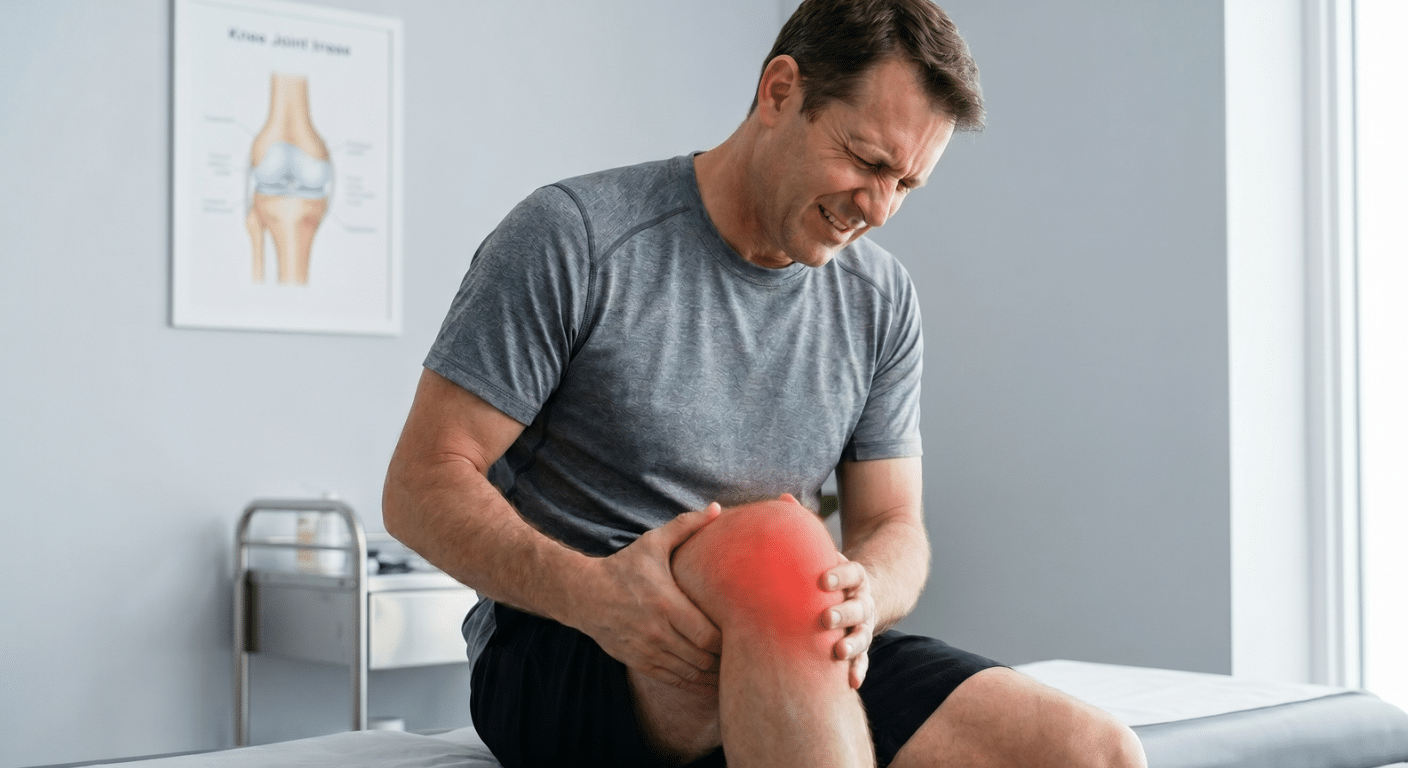
Recognizing meniscus tear symptoms early helps you get the right diagnosis before the condition worsens. However, symptoms vary depending on the size, location, and type of the tear. The most common signs include the following:
- Joint line pain: Pain felt directly along the inner or outer edge of the knee, right where the meniscus sits. This is one of the most consistent and telling signs of a meniscus problem specifically.
- Swelling: The knee typically swells after a meniscus tear, though more slowly than after an ACL tear. Swelling that builds over 24 to 48 hours after a knee injury is a common pattern.
- Locking or catching: Some tears produce a mechanical block where the knee gets stuck in a partially bent position and will not straighten fully. This is called a locked knee and typically indicates a displaced bucket-handle tear that needs prompt surgical attention.
- Clicking or popping during movement: A torn fragment catching inside the joint can produce a noticeable clicking, clunking, or popping sensation with certain movements.
- Stiffness after rest: Many meniscus patients notice that the knee feels stiff and uncomfortable after sitting for a prolonged period, then loosens up after a few minutes of walking.
- Pain with deep bending or squatting: Loading the knee in a fully bent position compresses the meniscus and is a reliable provocative symptom in torn meniscus cases.
For a broader understanding of what might be causing your knee discomfort, read our complete guide to knee pain.
How a Meniscus Tear Is Diagnosed
Accurate diagnosis is the foundation of every good meniscus tear treatment decision. At City Orthopaedics, Dr. Babatunde follows a structured, thorough diagnostic process.
Clinical Examination
Dr. Babatunde begins with a detailed history of the injury, activity level, and symptom pattern. He then performs a physical exam that includes specific hands-on tests for meniscus integrity. The McMurray test applies rotational stress to the knee while it moves through its range of motion. A positive result, meaning pain, clicking, or catching during the test, strongly suggests meniscus pathology. Additionally, joint line tenderness on palpation is among the most reliable clinical signs of a meniscus tear.
Imaging
- X-rays: Dr. Babatunde orders X-rays first to assess bone alignment, joint space narrowing, and the presence of arthritis. X-rays do not show cartilage directly, but they provide critical context for the overall knee health picture.
- MRI: MRI is the definitive imaging tool for meniscus tears. It shows the size, location, and pattern of the tear, reveals the degree of blood supply to the torn area, and identifies any related damage to the ACL, other ligaments, or articular cartilage. All of these findings directly influence the treatment recommendation.
Tear Location Matters Enormously
One of the most important things the MRI reveals is where within the meniscus the tear is located. The outer third of the meniscus has a good blood supply and can heal, either on its own or with surgical repair. The inner two thirds of the meniscus have little to no blood supply. Tears in this zone cannot heal biologically, which is a key factor in deciding between repair and partial removal.
Meniscus Tear Treatment Options: The Full Spectrum
Not every meniscus tear requires surgery, and not every surgical case requires the same procedure. The right treatment depends on tear type, location, patient age, activity demands, and whether other knee conditions are present alongside the tear.
Non-Surgical Meniscus Tear Treatment
Meniscus surgery alternatives are appropriate and effective for a meaningful number of patients, particularly those with small, stable tears in the inner avascular zone, degenerative tears associated with early arthritis, older and lower-demand patients, and partial tears that are not producing mechanical symptoms like locking.
Specifically, conservative management typically includes the following approaches:
- Physical therapy: A structured program focused on quadriceps and hamstring strengthening reduces the compressive load on the meniscus during weight-bearing. Building strength around the knee is the single most effective non-surgical strategy for managing meniscus-related pain long-term.
- Activity modification: Temporarily reducing high-impact or deep-loading activities, such as running, squatting heavy, or playing court sports, gives the knee time to calm down without requiring complete rest.
- Anti-inflammatory medication: Short-term NSAID use helps manage swelling and pain during acute flare-ups. However, it treats the symptom rather than the tear itself and is not a standalone long-term strategy.
- Corticosteroid injections: Cortisone injections into the knee joint reduce inflammation effectively and can provide weeks to months of meaningful pain relief, particularly in patients with a degenerative tear alongside early arthritis.
- Hyaluronic acid injections: Viscosupplementation supplements the knee’s natural joint fluid and can improve comfort and mobility in patients with degenerative meniscus changes alongside osteoarthritis.
- PRP therapy: Platelet-Rich Plasma uses concentrated growth factors from the patient’s own blood to support tissue healing. It is increasingly used for partial tears and degenerative meniscus changes in patients seeking regenerative options before committing to surgery.
“The research on non-surgical management of degenerative meniscus tears is actually very strong,”
says Dr. Babatunde.
“For the right patient, a well-designed physical therapy program produces outcomes that are comparable to surgery at the one and two year marks. The key is identifying which patient that is. Not every torn meniscus responds the same way.”
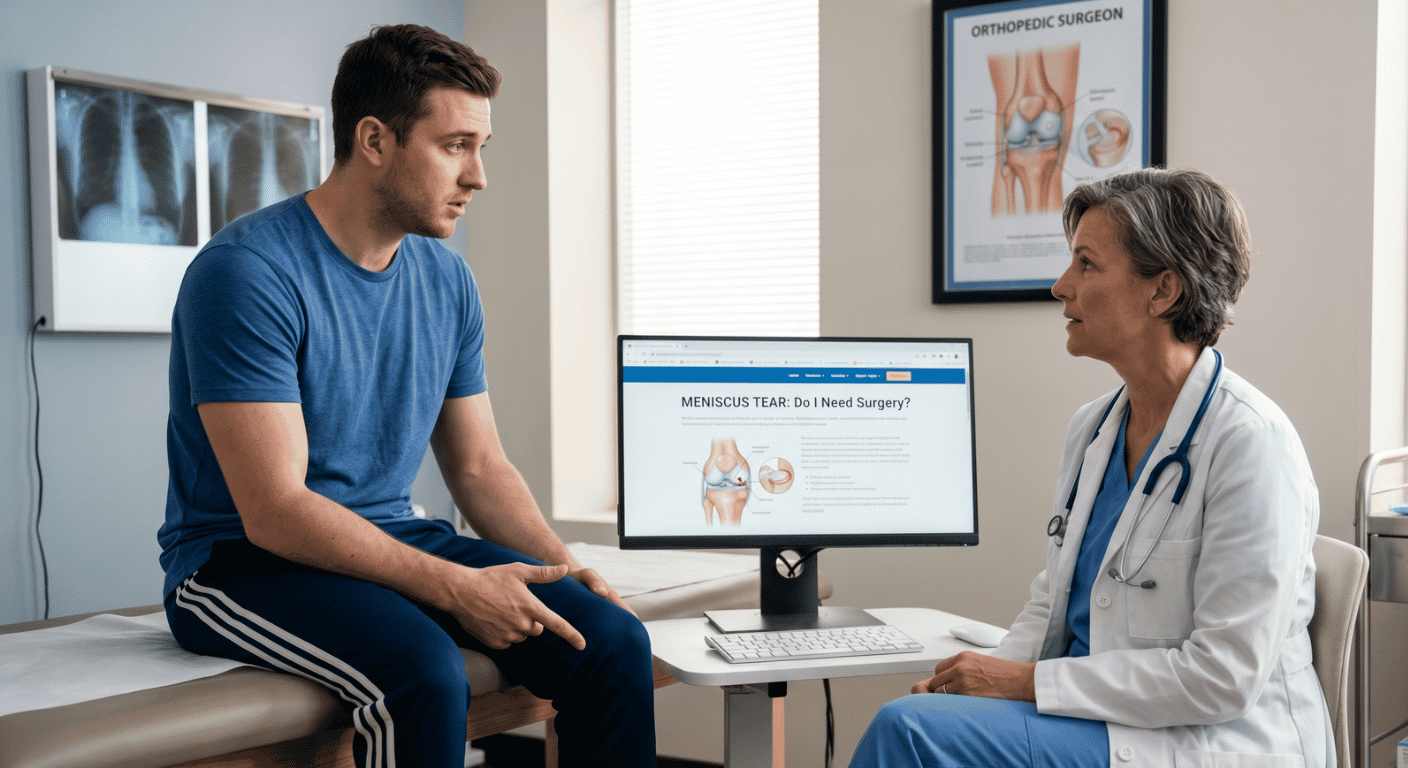
Do I Need Surgery for a Meniscus Tear?
This is the question every meniscus patient eventually asks, and it deserves a clear, honest answer. Surgery is generally the right recommendation when one or more of the following apply:
- The knee is locked and cannot be fully straightened, which indicates a displaced bucket-handle tear that will not resolve without surgical intervention
- Mechanical symptoms including locking, catching, and repeated giving way are present and significantly limiting daily function
- Conservative treatment has been consistently applied for 8 to 12 weeks without adequate improvement in pain or function
- MRI confirms a large, unstable tear in the outer blood-supplied zone of the meniscus where surgical repair has a realistic chance of achieving biological healing
- The tear occurred alongside an ACL injury and both will be addressed together in a single surgical procedure
On the other hand, surgery is less likely to be beneficial when the tear is small and stable, when the MRI shows degenerative changes rather than an acute structural tear, or when significant underlying knee arthritis is present. In those cases, operating on the meniscus alone does not address the root problem and may not improve outcomes meaningfully.
Surgical Meniscus Tear Treatment Options
When surgery is the right path, there are two primary surgical approaches. Dr. Babatunde performs both arthroscopically through small incisions using a camera and specialized instruments, meaning no large open incision is required.
Meniscus Repair
Meniscus repair involves suturing the torn edges of the meniscus back together to allow biological healing. It is the preferred option whenever it is technically feasible because it preserves the meniscus and protects the long-term health of the knee joint. Research consistently shows that patients who retain their meniscus have lower rates of knee osteoarthritis over time compared to those who have meniscal tissue removed.
Repair is most appropriate for tears in the outer vascular zone, tears in younger and more active patients, acute traumatic tears rather than degenerative ones, and cases where the tissue quality is good enough to hold sutures reliably. Recovery from meniscus repair is longer than from partial removal because the repaired tissue must be protected while it heals. Most patients return to full sport between 4 and 6 months after repair.
Partial Meniscectomy
A partial meniscectomy involves trimming away the unstable torn fragment while preserving as much healthy meniscus tissue as possible. It is the appropriate surgical option for tears in the inner avascular zone that cannot heal even with sutures, complex or irreparable tear patterns, and degenerative tears in middle-aged patients where repair is not technically viable.
Recovery from partial meniscectomy is faster than from repair. Many patients return to daily activity within 2 to 4 weeks and to sport within 4 to 8 weeks depending on the demands of their activity. The trade-off is that removing meniscal tissue permanently reduces shock absorption in that compartment, which is why Dr. Babatunde removes only the minimum amount necessary to eliminate the mechanical symptoms.
For a full look at the meniscus tear treatment options available at City Orthopaedics, visit our dedicated treatment page. Additionally, for patients curious about broader knee surgical options, our guide on frequently asked questions about knee surgery covers the most common concerns in detail.
Torn Meniscus Recovery: What to Realistically Expect
Understanding torn meniscus recovery in honest, practical terms helps patients stay on track and avoid the two most common mistakes: doing too much too soon, or doing too little for too long.
Non-Surgical Recovery
- Most patients notice meaningful improvement within 6 to 8 weeks of consistent physical therapy
- Return to light activity is typically possible within 2 to 4 weeks for stable tears
- Full return to sport or high-demand activity generally takes 8 to 12 weeks, depending on the tear and the demands involved
- Some degenerative tears require ongoing maintenance through exercise, occasional injections, and activity management rather than a single defined recovery endpoint
Post-Surgical Recovery: Partial Meniscectomy
- Walking with full weight-bearing is typically possible within days of surgery
- Most patients return to desk work and driving within 1 to 2 weeks
- Return to sport is typically cleared between 4 and 8 weeks based on strength and symptom resolution
- Swelling can persist for several weeks and is entirely normal during this period
Post-Surgical Recovery: Meniscus Repair
- Weight-bearing is restricted for 4 to 6 weeks to protect the repaired tissue during early healing
- Crutches are required during the initial protected phase
- Physical therapy begins early with passive range of motion and progresses through active motion and strengthening over the following months
- Most patients return to full sport between 4 and 6 months post-surgery, with some demanding cases taking up to 7 months
Patients exploring broader knee surgical options, including joint replacement, can also read our detailed guides on partial vs total knee replacement and what to expect from knee replacement surgery.
Protecting Your Knees and Preventing Meniscus Injuries
While not all meniscus tears are preventable, reducing your risk is absolutely possible with the right habits. Key strategies include the following:
- Building strong quadriceps and hamstrings to reduce compressive joint forces during loading and pivoting
- Warming up properly before sport and activity, particularly movements that involve sudden changes of direction
- Maintaining a healthy body weight to reduce the cumulative load the knee absorbs over thousands of daily steps
- Progressing training load gradually rather than making sudden jumps in volume or intensity
- Using proper technique during squats, lunges, and athletic movements to keep the knee tracking correctly over the foot
For a full guide to staying injury-free this season, read our post on how to protect your joints this outdoor season.
Get Expert Meniscus Tear Treatment in NJ and NY
A meniscus tear does not have to mean surgery, and it does not have to mean months of pain before getting answers. At City Orthopaedics Sports Medicine, every patient gets a thorough evaluation, an honest diagnosis, and a clear explanation of all available options before any decision is made.
Dr. Oladapo M. Babatunde, MD, FAAOS brings fellowship-trained expertise and genuine patient-focused care to every meniscus case, from first diagnosis through full return to activity. No referral is required and most major insurance plans are accepted.
Book your knee consultation at City Orthopaedics Sports Medicine today and find out exactly which meniscus tear treatment is right for you.
Frequently Asked Questions About Meniscus Tears
Can a torn meniscus heal without surgery?
Yes, in certain cases. Small, stable tears in the outer blood-supplied zone and many degenerative tears in older, lower-demand patients can improve meaningfully with physical therapy, activity modification, and injections. However, large unstable tears, locked knees, and tears producing persistent mechanical symptoms generally require surgery to restore full function. The only way to know which category your tear falls into is through a clinical exam and MRI evaluation.
How long does it take to recover from a meniscus tear?
Non-surgical recovery typically takes 6 to 12 weeks for most patients with stable tears. Partial meniscectomy surgery allows return to activity in 4 to 8 weeks for most patients. Meniscus repair surgery requires a longer protected recovery of 4 to 6 months because the repaired tissue needs time to heal biologically before it can tolerate full loading.
What does a meniscus tear feel like?
The most common symptoms are pain along the inner or outer edge of the knee joint, swelling that develops over 24 to 48 hours, stiffness after sitting or rest, and pain with deep bending or squatting. Some tears also produce a locking or catching sensation where the knee gets stuck and cannot straighten fully. Symptoms vary based on the size, location, and type of the tear.
Is meniscus repair better than meniscectomy?
When repair is technically possible, it is generally preferred because it preserves the meniscus and protects long-term knee health. However, not every tear is repairable. Tears in the inner avascular zone and complex degenerative tears cannot heal even with sutures. In those cases, a carefully performed partial meniscectomy that removes only the unstable fragment is the appropriate and effective surgical option.
Can I walk on a torn meniscus?
Many patients with a torn meniscus can walk, particularly with smaller or degenerative tears. However, walking through significant pain, swelling, or instability without evaluation risks worsening the tear and damaging the surrounding cartilage. If your knee is locked and cannot straighten, you should seek evaluation promptly rather than attempting to walk through it.
Where can I get meniscus tear treatment in New Jersey or New York?
City Orthopaedics Sports Medicine provides full meniscus evaluation, non-surgical care, and surgical treatment at offices in East Rutherford, Paramus, and West Orange, NJ, and Manhattan, NY. Dr. Oladapo M. Babatunde, MD, FAAOS, leads knee and sports medicine care across all locations. Book your appointment here.