


If a bony bump at the base of your big toe is making it harder to walk, find shoes that fit, or stay active without pain, you are dealing with a bunion. Bunion treatment options range from simple footwear changes all the way to surgical correction, and the right choice depends on how severe your bunion is, how much it affects your life, and what your goals are.
At City Orthopaedics Sports Medicine, Dr. Jason Hymowitz, DPM, DABPM, AACFAS, MS provides expert foot and ankle care across offices in East Rutherford, Paramus, West Orange, NJ, and Manhattan, NY. This guide gives you an honest, complete picture of every option available so you can make a confident, informed decision.
What Is a Bunion and What Causes It?
A bunion, known medically as hallux valgus, is a bony deformity that forms at the joint where the big toe meets the foot. Over time, the big toe drifts toward the second toe while the joint beneath it pushes outward, creating the visible bump on the inner edge of the foot. The more the alignment shifts, the larger and more painful the deformity becomes.
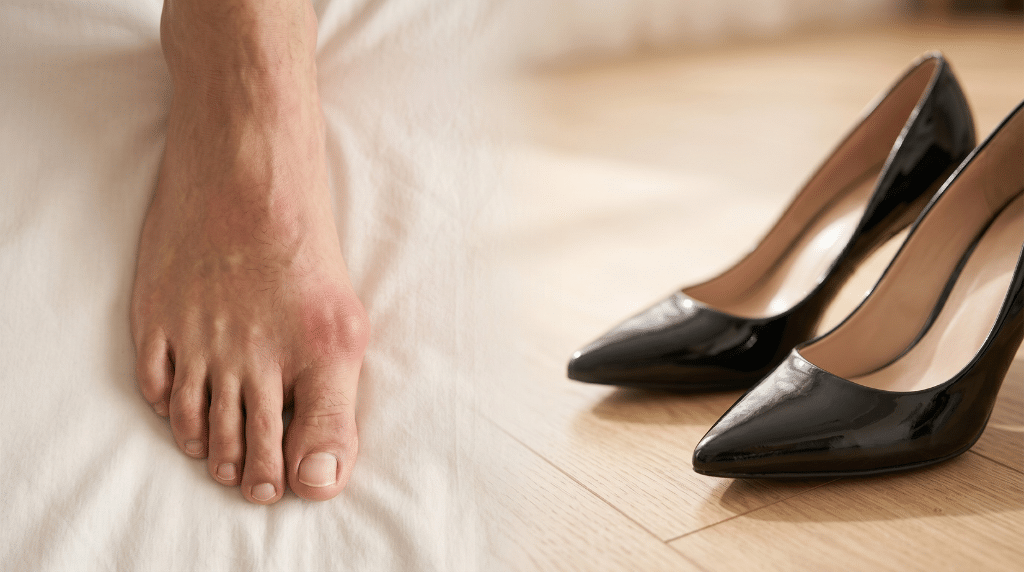
Bunions develop gradually and are driven by a mix of factors, including:
- Genetics and foot structure: Flat feet, low arches, and loose joint ligaments are among the most common inherited contributors. In fact, bunions tend to run strongly in families.
- Footwear choices: Narrow toe boxes and high heels do not cause bunions on their own, but they do accelerate the progression of an existing deformity significantly.
- Inflammatory joint disease: Conditions like rheumatoid arthritis can cause joint damage and misalignment that leads to bunion formation.
- Repetitive stress: Certain sports and occupations that place repeated load on the forefoot can worsen an existing bunion over time.
For a full look at related forefoot conditions, read our guide on the causes and symptoms of bunions and hammertoes.
How Do You Know If Your Bunion Needs Treatment?
Not every bunion requires formal medical treatment. However, certain signs indicate that the deformity has progressed to the point where professional evaluation is appropriate. Consider scheduling a foot and ankle consultation when you notice any of the following:
- Persistent pain at the bunion site that does not ease with rest or better footwear
- Swelling, redness, or warmth around the big toe joint that comes and goes regularly
- Difficulty finding shoes that fit without rubbing or pressing directly on the bump
- Visible drift of the big toe toward or under the second toe
- Reduced range of motion in the big toe joint, especially during walking or pushing off
- Calluses forming where the toes overlap due to shifting alignment
Additionally, if a bunion is changing the way you walk, that altered gait can cause secondary problems in the ankle, knee, and lower back over time. Addressing the root cause early prevents those downstream issues. For guidance on whether your symptoms warrant a specialist visit, read our post on when to see a foot and ankle specialist.
Non-Surgical Bunion Treatment Options
The first and most important thing to understand about bunions is that non-surgical treatment cannot reverse the deformity. No amount of splinting, taping, or physical therapy will move the bones back into alignment once a structural shift has occurred. However, conservative care absolutely can reduce pain, slow progression, and help you stay active and comfortable without surgery.
Footwear Modification
Switching to shoes with a wide, rounded toe box is often the single fastest way to reduce bunion pain. The goal is to eliminate direct pressure on the bump and give the toes enough room to sit in a natural position. Specifically, shoes should have a firm sole, low heel, and enough width across the ball of the foot to avoid any compression of the joint.
Padding and Orthotics
Gel or foam bunion pads placed over the bump cushion the joint against friction from footwear. Custom or over-the-counter orthotics help redistribute pressure across the foot and can reduce the load on the affected joint during walking and standing. For patients with flat feet or low arches as a contributing factor, orthotics address the root mechanical issue rather than just the symptom. Our guide on flatfoot deformities and treatment explains how arch structure drives many forefoot problems.
Anti-Inflammatory Medication
Short-term use of NSAIDs like ibuprofen or naproxen helps manage pain and inflammation during flare-ups. However, long-term reliance on anti-inflammatory medication is not a sustainable bunion management strategy and does not prevent the deformity from worsening.
Corticosteroid Injections
Cortisone injections delivered into the bursa sac near the bunion joint can provide meaningful pain relief for weeks to months. They are most effective for patients with significant inflammation and are often used as a bridge to buy time before a surgical decision or to allow a patient to complete a specific activity or season.
Splinting and Night Devices
Bunion splints and night spacers hold the big toe in a more aligned position during sleep. While they do not permanently correct the deformity, some patients find that consistent use reduces morning pain and slows the visible progression of the toe drift. Results vary widely between individuals.
Physical Therapy
Targeted foot and toe strengthening exercises improve the stability of the joint and can reduce pain during functional activities. Furthermore, gait retraining addresses the compensatory movement patterns that often develop around a painful bunion and contribute to fatigue and secondary injury further up the leg.
When Do You Need Bunion Surgery?
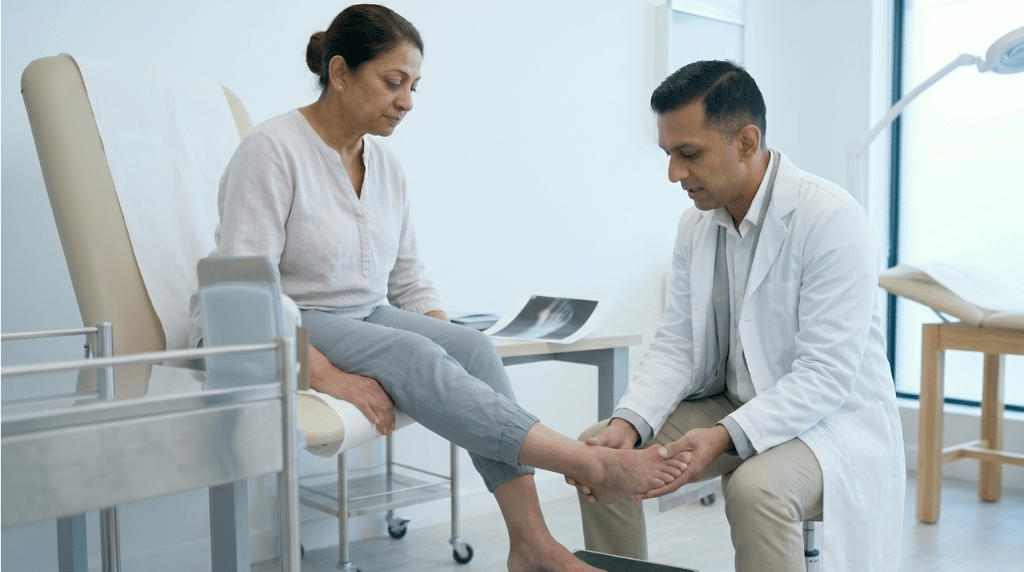
When do you need bunion surgery? This is the question most patients eventually ask, and the answer comes down to a combination of structural severity and quality-of-life impact. Surgery is typically the right answer when:
- Pain is persistent and limits walking, exercise, or daily activity despite consistent conservative care for 3 to 6 months or more
- The big toe has drifted significantly toward or under the second toe, causing crowding, calluses, or toe deformity in other digits
- The big toe joint has developed arthritis and lost meaningful range of motion
- Footwear options are so limited by the deformity that normal daily function is compromised
- The bunion is causing skin breakdown, bursitis, or nerve irritation that is not resolving with non-surgical care
“I tell patients that bunion surgery is always a quality-of-life decision,”
says Dr. Jason Hymowitz.
“The goal is never just cosmetic correction. It is about restoring pain-free function, getting back into the shoes you need to wear, and moving the way you want to move. When conservative treatment has genuinely been tried and the pain is still limiting life, surgery gives patients their mobility back in a lasting way.”
Bunion Surgery Options: Traditional vs. Minimally Invasive
Modern bunion surgery has advanced significantly in the last decade. Today, patients at City Orthopaedics have access to a range of techniques, from well-established open procedures to cutting-edge minimally invasive approaches. The right technique depends on the severity of the deformity, the condition of the joint, and patient-specific factors.
Osteotomy: The Most Common Bunion Surgery
An osteotomy involves cutting and realigning the metatarsal bone to correct the angle of the joint and move the big toe back toward its natural position. Surgeons then fix the bone in its corrected position using small screws or pins. There are several types of osteotomy, each designed for a specific level of deformity correction. Together, osteotomy procedures make up the majority of bunion surgeries performed worldwide because of their consistent, predictable outcomes.
Minimally Invasive Bunion Surgery
Minimally invasive bunion surgery uses very small incisions and specialized instruments to perform the same bone realignment as a traditional open procedure, but with significantly less soft tissue disruption. As a result, patients typically experience less post-operative swelling, faster early recovery, and smaller visible scars compared to conventional open surgery. Not every bunion is a candidate for minimally invasive repair, however. Larger or more complex deformities may still require a traditional open approach for precise correction.
Lapidus Procedure (First TMT Joint Fusion)
For patients with a particularly unstable or hypermobile first metatarsal joint, the Lapidus procedure fuses the joint at the base of the first metatarsal to the midfoot. This provides a more definitive correction of the underlying mechanical instability that is driving the bunion. It is a more involved procedure with a longer recovery, but it is the most durable option for patients with significant joint laxity where an osteotomy alone would likely lead to recurrence.
Exostectomy (Bunionectomy)
An exostectomy involves shaving down the bony prominence on the side of the joint without realigning the underlying bone angle. It is the simplest surgical approach and has the fastest recovery, but it is also the most limited. Because it does not correct the structural cause of the deformity, exostectomy alone is only appropriate for very mild cases and carries a meaningful risk of recurrence if the underlying alignment issue is not also addressed.
Arthrodesis (Big Toe Joint Fusion)
In patients with severe bunion deformity combined with significant big toe joint arthritis, joint fusion is the most reliable surgical option. The big toe joint is permanently fused in a functional position, eliminating pain from both the bunion and the arthritis in a single procedure. Recovery is longer and the joint permanently loses its range of motion, but for patients with end-stage joint damage, fusion consistently delivers durable, lasting pain relief.
For a full overview of bunion and related forefoot conditions treated at City Orthopaedics, visit our dedicated bunion and hammertoe treatment at COSM page.
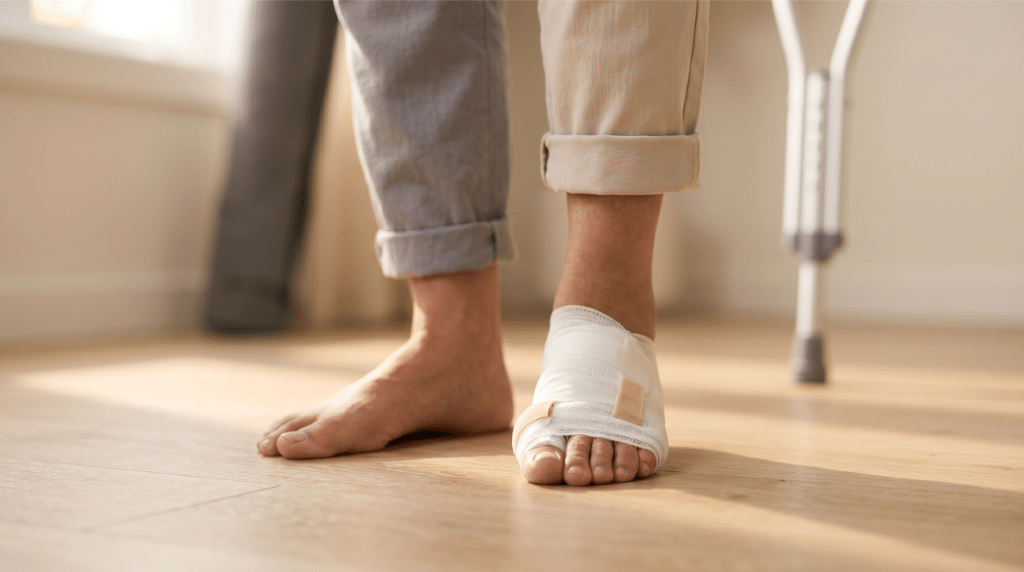
What to Expect From Bunion Removal Surgery Recovery
Bunion removal surgery recovery varies based on the type of procedure performed, but here is a realistic timeline for most patients:
First 2 Weeks: Protection and Swelling Control
- The foot is kept elevated as much as possible to manage swelling effectively
- Patients walk in a surgical boot or post-operative shoe, not a regular shoe
- No driving until cleared by Dr. Hymowitz, typically 4 to 6 weeks for the right foot
- Wound care and suture management are the primary focus during this period
Weeks 2 to 6: Progressive Weight Bearing
- Weight-bearing progresses as bone healing is confirmed on follow-up X-rays
- Swelling is still present and normal during this phase. Most patients underestimate how long foot swelling persists after surgery.
- Physical therapy begins with gentle range of motion exercises for the toe
- Transitioning to a regular wide shoe becomes possible for many patients around weeks 4 to 6
Months 2 to 4: Return to Normal Activity
- Most daily activities including work and light exercise are fully resumed
- Strength and balance training progresses in physical therapy
- Wearing athletic shoes comfortably is typically achievable by weeks 8 to 12
- Residual swelling can persist for several months and is entirely normal
Months 4 to 6: Full Recovery
- Most patients achieve full, pain-free activity by 4 to 6 months post-surgery
- High-impact sport and demanding footwear are cleared based on individual progress
- Final bone remodeling and scar maturation continue for up to 12 months
It is also worth noting that foot conditions often affect each other. Patients who have a bunion corrected sometimes notice that related forefoot problems, including hammer toes or plantar pain, also improve as alignment is restored. For patients dealing with heel pain alongside their bunion, our plantar fasciitis treatment guide covers that condition in full detail.
Bunion Pain Relief Without Surgery: What Actually Helps
For patients who are not yet surgical candidates or who prefer to manage the condition conservatively long-term, the most effective strategies for sustained bunion pain relief include:
- Consistent use of wide, supportive footwear every day, not just some days
- Custom orthotics fitted by Dr. Hymowitz to address the specific arch and pressure pattern driving your bunion
- Toe spacers worn during low-activity periods to reduce second-toe crowding
- Regular icing after prolonged standing or activity to control inflammation
- Targeted strengthening of the intrinsic foot muscles to support joint stability
- Periodic cortisone injections during significant flare-ups, used selectively and not as a routine treatment
In short, conservative care works best when it is consistent, addresses the mechanical root cause, and is guided by a specialist who can monitor the bunion’s progression over time.
Get Expert Bunion Care at City Orthopaedics Sports Medicine
Whether you are exploring non-surgical management or ready to seriously consider surgery, the right starting point is an honest evaluation from a specialist who treats bunions every week. Dr. Jason Hymowitz, DPM, DABPM, AACFAS, MS brings extensive foot and ankle expertise to every patient at City Orthopaedics, from early-stage bunion management through complex surgical correction and full rehabilitation.
City Orthopaedics Sports Medicine serves patients across East Rutherford, Paramus, West Orange, NJ, and Manhattan, NY. No referral is required and most major insurance plans are accepted. Book your bunion consultation at City Orthopaedics Sports Medicine today and find out which bunion treatment options are right for you.
Frequently Asked Questions About Bunion Treatment and Surgery
Can a bunion go away on its own without treatment?
No. A bunion is a structural bone deformity and it will not reverse or disappear without treatment. In most cases, bunions slowly worsen over time, especially with continued use of ill-fitting footwear or high-impact activity. Conservative treatment can slow the progression and reduce pain meaningfully, but it cannot correct the underlying misalignment. Surgery is the only way to permanently realign the joint.
Is bunion surgery painful?
Most patients report that bunion surgery is far less painful than they expected. Modern anesthesia and nerve block techniques provide strong pain control during and immediately after the procedure. Post-operative discomfort is typically manageable with prescribed medication in the first week, transitioning to over-the-counter pain relief by week two. Swelling, rather than sharp pain, is usually the most persistent post-surgical symptom.
How long does it take to recover from bunion surgery?
Most patients return to normal daily activities within 6 to 8 weeks and to athletic shoes by 8 to 12 weeks. Full recovery, including the resolution of most swelling and return to high-impact activity, typically takes 4 to 6 months. The exact timeline depends on the type of surgery performed, the complexity of the deformity, and how closely the patient follows the rehabilitation protocol.
What is the difference between traditional and minimally invasive bunion surgery?
Traditional bunion surgery uses a standard incision to directly access and realign the bones. Minimally invasive bunion surgery uses very small incisions and specialized tools to achieve the same correction with less tissue disruption. As a result, minimally invasive patients often experience less swelling and a faster early recovery. However, not every bunion is a candidate for the minimally invasive approach. Dr. Hymowitz evaluates the deformity on imaging before recommending the most appropriate technique.
Will my bunion come back after surgery?
Bunion recurrence is possible, particularly if the underlying structural cause such as flat feet or joint laxity is not addressed as part of the surgical plan. At City Orthopaedics, Dr. Hymowitz evaluates the full mechanical picture before selecting a procedure. Choosing the right surgery for the right degree of deformity significantly reduces the risk of recurrence. Wearing proper footwear after surgery and following all post-operative guidelines also plays an important role in long-term results.
Where can I get bunion treatment or bunion surgery in New Jersey or New York?
City Orthopaedics Sports Medicine offers full bunion evaluation, conservative care, and surgical treatment at offices in East Rutherford, Paramus, and West Orange, NJ, and Manhattan, NY. Dr. Jason Hymowitz, DPM, DABPM, AACFAS, MS, leads foot and ankle care across all locations. Book your appointment here.